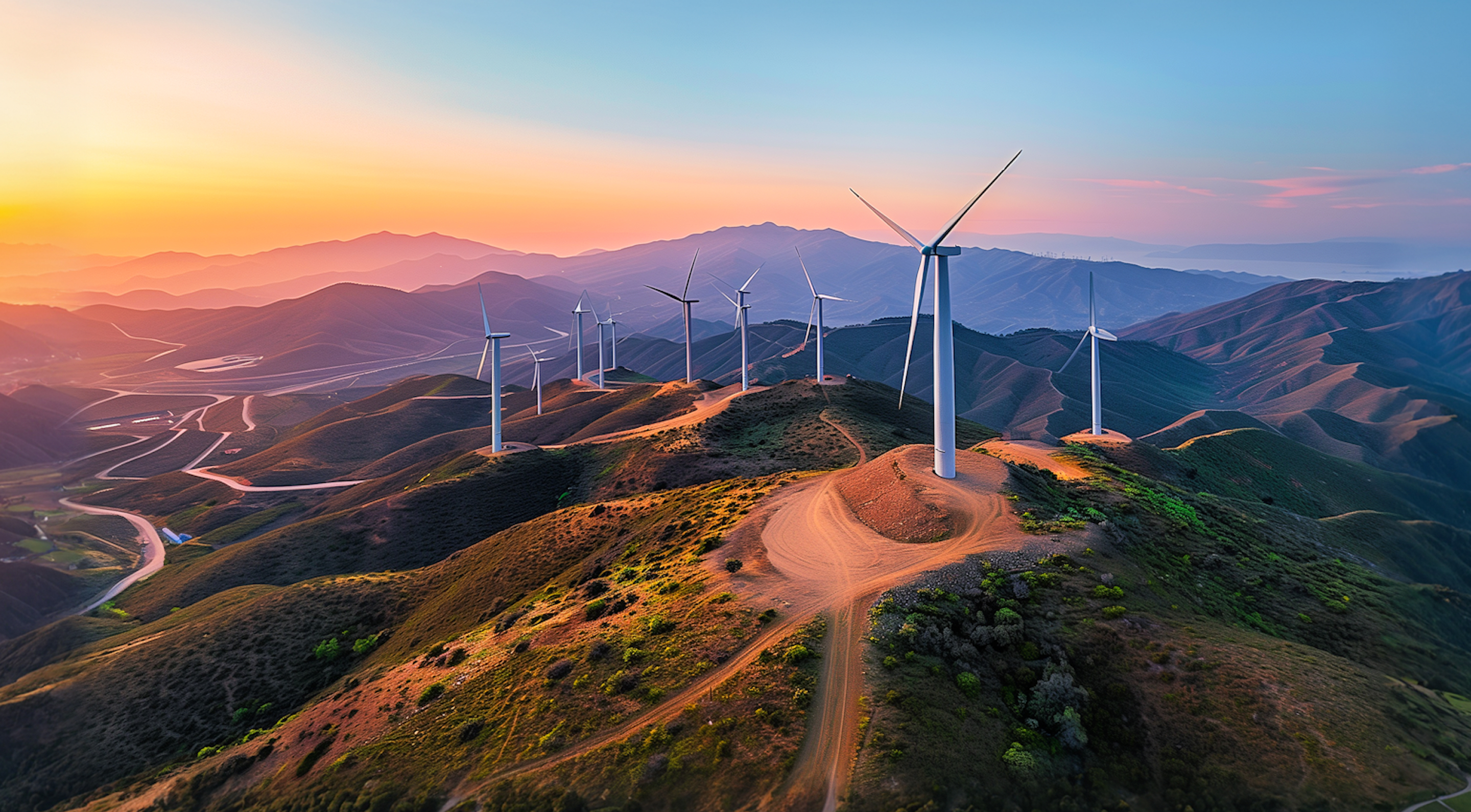
The future of wind: why 2026 is the year to go hybrid
From grid supplement to strategic asset
Just a few years ago, wind turbines were deployed mainly to offset utility bills. By 2026, however, the role of on-site wind has evolved significantly. Hybrid battery storage systems, managed by artificial intelligence, are now seen as essential assets rather than optional upgrades. Rising energy costs and grid instability have made energy independence financially attractive for both commercial operators and industrial portfolios.
The grid gets smarter: wind's role in modern infrastructure
Upgraded lithium-iron phosphate battery packs, combined with AI-powered dispatch, have brought operators unprecedented control over electricity usage and costs. Flexible energy storage enables sites to capture power during high-wind periods and deploy it during costly peak demand. In addition to cost savings, this approach safeguards against outages — a rising concern as increased load strains regional grids.
Hybrid-enabled operations: a shift in operator priorities
The benefits of wind technology now extend well beyond monthly savings. Asset owners actively seek sites pre-equipped with high-efficiency turbines and intelligent energy management. Facilities advertised as hybrid-ready attract stronger uptime guarantees and faster commissioning, reshaping what operators expect from next-generation wind deployments.
Environmental impact meets operational reliability
While clean energy remains at the core of wind's appeal, the reliability of backup power and potential for grid services revenue have moved to the forefront. Operators enjoy peace of mind knowing their sites can remain productive during grid events, with smart monitoring ensuring optimal turbine flow and storage coordination.
The road ahead: hybrid wind's mainstream moment
As 2026 unfolds, wind is no longer just green — it is a smart financial and operational choice. The convergence of technology, market trends, and operator demand suggests that investing in wind plus storage is no longer futuristic; it is the new standard for modern energy infrastructure.